
Key Nutritional Considerations
Mineral Balance
Mineral intake—particularly zinc, magnesium, and selenium—becomes increasingly important in mature years. These minerals support numerous enzymatic functions and biochemical processes. Diverse plant sources provide these minerals within complex food matrices that support optimal bioavailability.
Bone Health
While often discussed for women, bone mineral density affects men too. Calcium, magnesium, vitamin D, and other nutrients support skeletal health. Regular exercise combined with adequate nutritional intake supports bone maintenance across adulthood.
Cardiovascular Wellness
Plant compounds including polyphenols, fiber, and various micronutrients are documented in research as supporting cardiovascular health. Dietary diversity naturally provides these compounds across numerous plant sources.
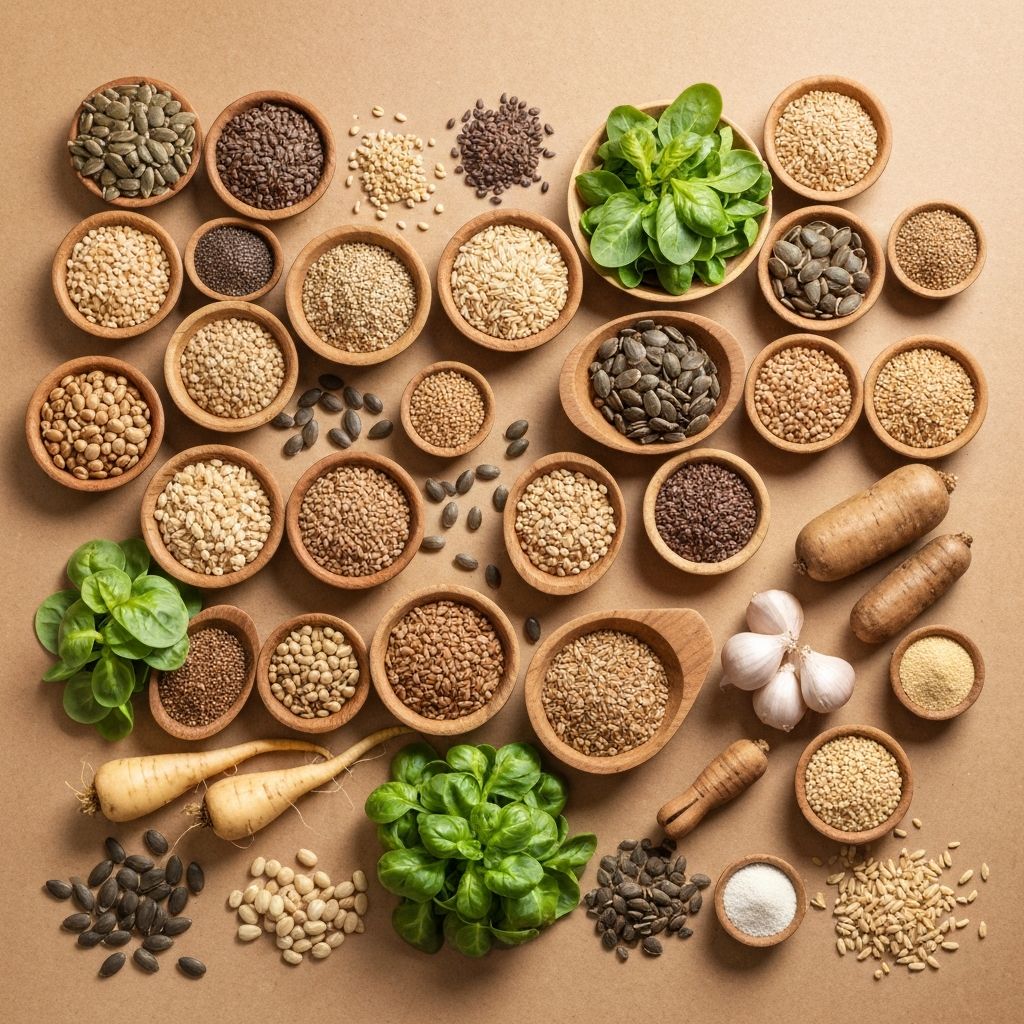
Plant Sources for Specific Nutrients
| Nutrient | Plant Sources | Biological Role |
|---|---|---|
| Zinc | Pumpkin seeds, hemp seeds, nuts, legumes, whole grains | Immune function, enzyme activity, protein synthesis |
| Magnesium | Leafy greens, nuts, seeds, legumes, whole grains | Muscle function, energy production, nervous system |
| Selenium | Brazil nuts, whole grains, mushrooms, legumes | Antioxidant defense, thyroid function |
| Potassium | Leafy greens, beans, nuts, seeds, whole grains | Blood pressure regulation, muscle contraction |
| Vitamin D | Mushrooms (sun-exposed), fortified plant sources | Bone health, immune function, nutrient absorption |
| Polyphenols | Berries, leafy greens, herbs, tea, cocoa, seeds | Antioxidant and anti-inflammatory properties |
Building a Balanced Varied Diet
The foundation of good nutrition across all life stages remains consistent: diverse, whole-food-based diet emphasizing vegetables, fruits, whole grains, legumes, nuts, and seeds.
Practical Guidelines
- Eat the rainbow: Different colored plants contain different nutrient profiles. Aim for variety across multiple plant sources daily
- Include whole grains: Brown rice, oats, quinoa, rye, and barley provide sustained energy, fiber, and micronutrients
- Diversify protein sources: Legumes, nuts, seeds, and whole grains provide plant-based protein combined with beneficial compounds
- Prioritize local and seasonal: German and European seasonal plants at peak nutritional content often provide superior nutrient density
- Prepare foods mindfully: Different cooking methods affect nutrient bioavailability—varied preparation techniques maximize nutritional benefit
- Stay consistent: Long-term dietary patterns matter more than individual foods or days. Regular, balanced eating supports nutritional goals
Movement and Nutrition Together
Nutrition exists within a broader context of overall wellness. Regular physical activity, adequate sleep, stress management, and social connection all influence how dietary choices affect your health.
Exercise supports muscle maintenance, bone health, cardiovascular function, and metabolic health—all of which interact with nutritional status. Proper nutrition supports recovery from activity and provides energy for movement.
Rather than viewing diet in isolation, consider it part of an integrated approach to wellness that includes all these interconnected factors.
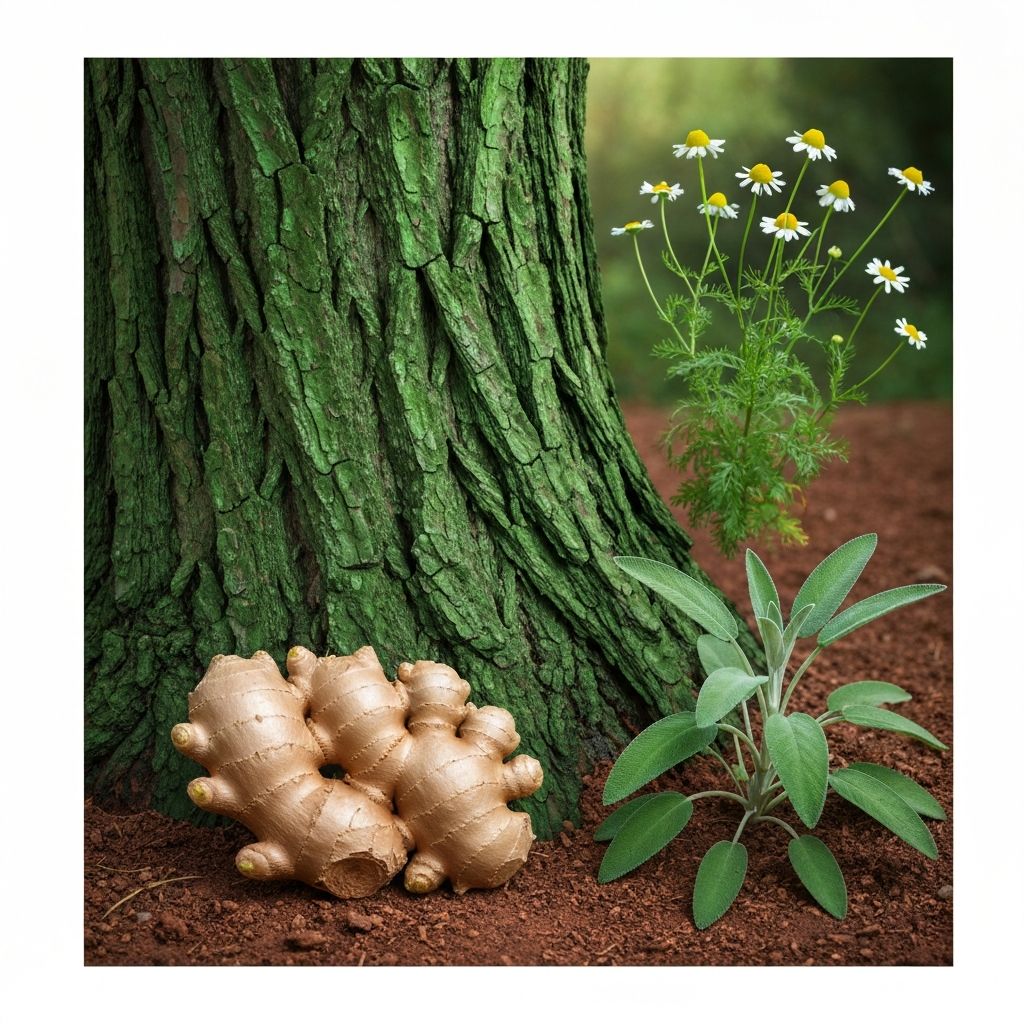
Seasonal Plant Calendar for German Men 40+
Understanding what plants are available seasonally supports intentional dietary planning and connection to natural cycles:
- Spring (March-May): Fresh nettle, wild garlic, new herb growth, early leafy greens—ideal for detoxification and renewed plant variety after winter
- Summer (June-August): Peak herb abundance, berries beginning, fresh vegetables—maximize fresh plant variety and seasonal polyphenol intake
- Autumn (September-November): Root vegetables, seed harvest, berry preservation period—transition to denser foods as energy needs shift
- Winter (December-February): Stored roots, preserved plants, hardy greens—focus on nutrient-dense options and preserved seasonal bounty
Whole Foods Approach
This educational content emphasizes whole-food botanical sources rather than isolated supplements. When plants are consumed in their whole-food form, multiple compounds work synergistically in ways that isolated extracts often cannot replicate.
Scientific research increasingly documents these synergistic effects—the interaction between compounds within food often produces different outcomes than isolated compounds alone.
Building diet from whole botanical sources provides not just the documented nutrients, but also compounds yet to be studied and understood, supporting a more comprehensive nutritional foundation.
Important Limitations
This page provides educational information about plant-based nutrition in general context. It is not personalized medical advice. Individual nutritional needs vary significantly based on genetics, health status, medications, and life circumstances. Always consult with qualified healthcare providers regarding your specific health situation and dietary choices. Individual responses to dietary changes vary greatly.
Explore Further
Continue learning about plant-based nutrition through our other educational resources: