
Plant-Based Nutrition Knowledge Hub
Understanding natural compounds in everyday botanical sources
Plant Sources of Key Minerals
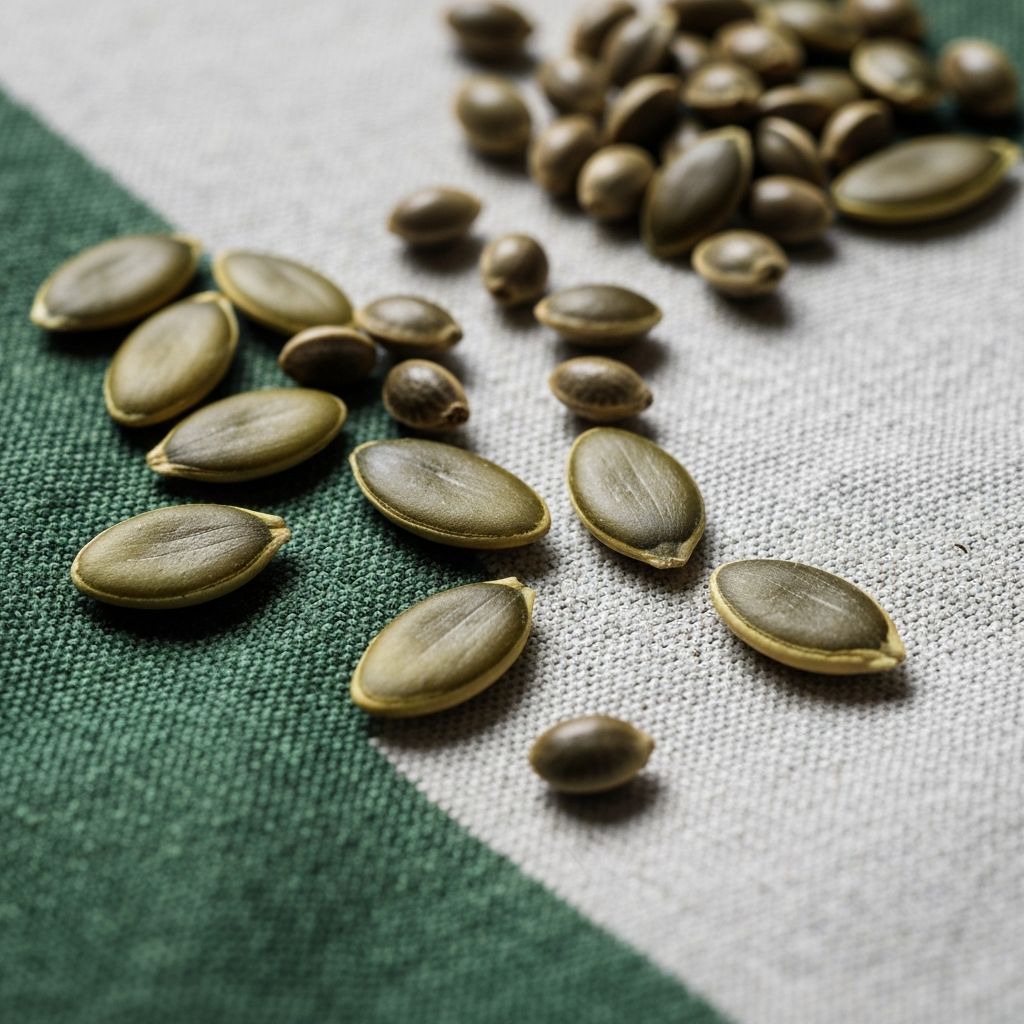
Zinc in Plants
Pumpkin seeds, hemp seeds, nuts, and legumes provide significant quantities of zinc. This mineral plays a role in numerous enzymatic functions and is found in diverse plant-based foods across traditional diets.
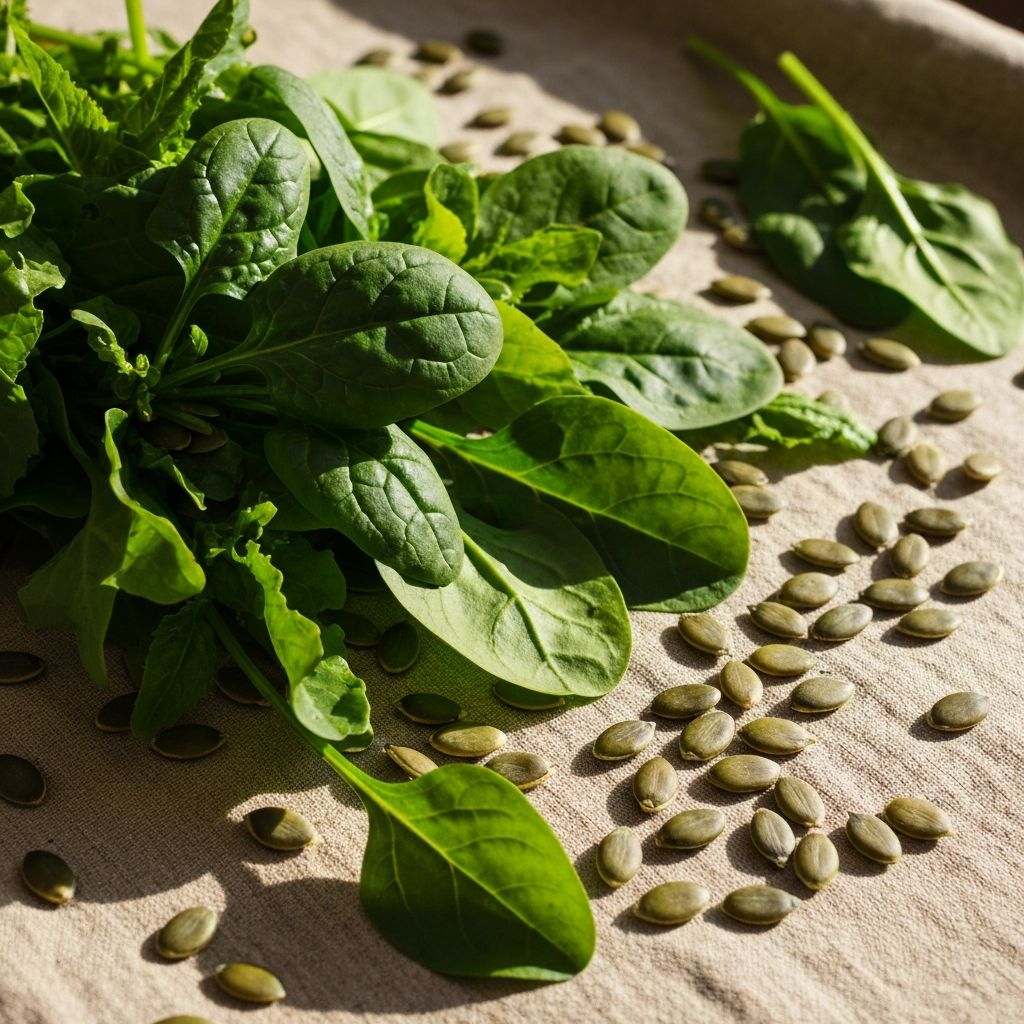
Magnesium Sources
Leafy greens, seeds, whole grains, and legumes contain substantial amounts of magnesium. This element is documented in scientific literature as essential for various biochemical processes within the body.
Selenium & Beyond
Brazil nuts, whole grains, mushrooms, and cruciferous vegetables provide selenium. Combined with diverse plant sources, these create a comprehensive nutritional foundation through varied botanical intake.
Overview of Herbal Elements
Scientific literature documents numerous botanical compounds that have been studied extensively. The following table summarizes key plants referenced in nutritional research, with their commonly recognized properties based on documented findings:
| Botanical Source | Primary Compounds | Traditional Regional Use | Nutritional Context |
|---|---|---|---|
| Nettle (Urtica) | Minerals, chlorophyll, flavonoids | European herbal tradition | Culinary herb in balanced diets |
| Ginger Root | Gingerols, shogaols | Global culinary and herbal use | Diverse dietary applications |
| Ginseng | Ginsenosides, polysaccharides | Asian herbal tradition | Historical wellness context |
| Hawthorn | Flavonoids, procyanidins | European herbalism | Botanical knowledge base |
| Oat Straw | Silica, minerals, beta-glucans | Northern European grain tradition | Whole grain nutritional value |
Polyphenols in Everyday Plants
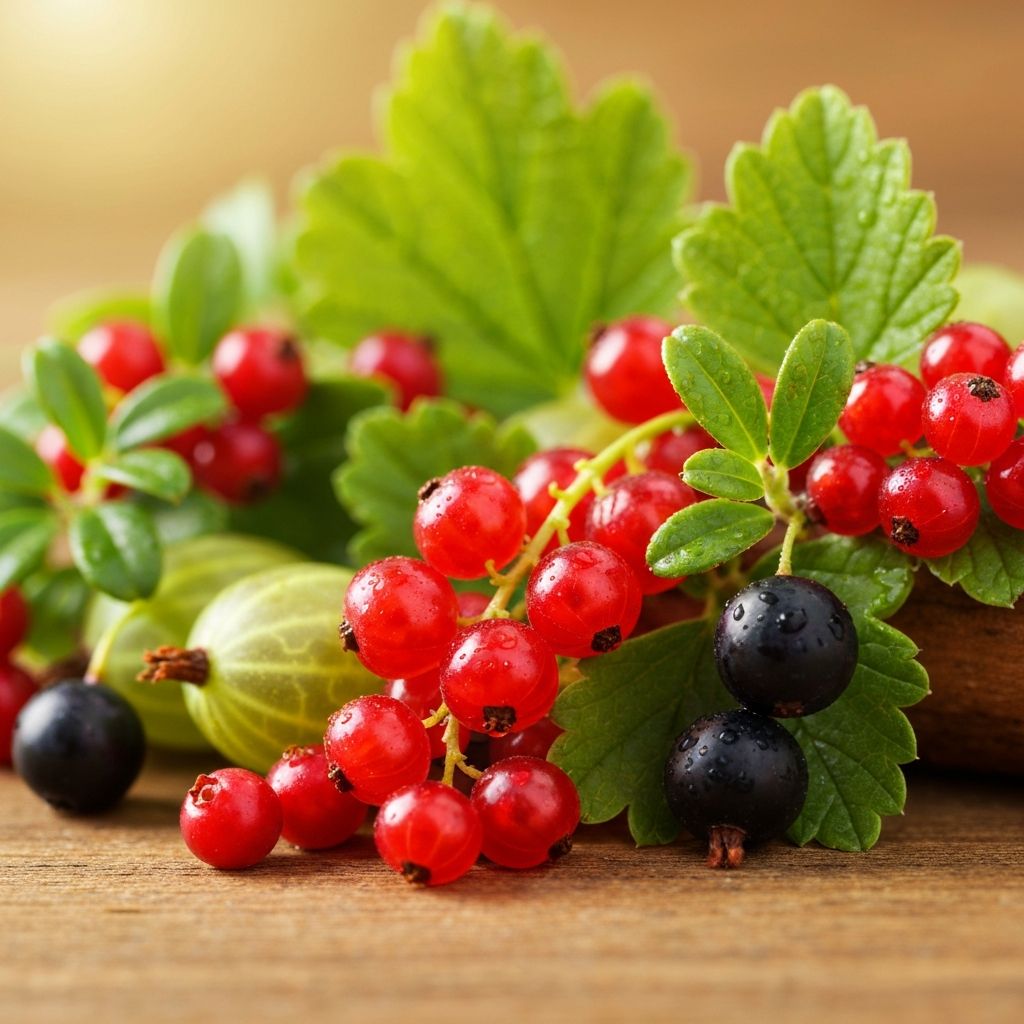
Polyphenols are a large family of organic compounds found abundantly in plant-based foods. Berries, particularly red and black varieties like lingonberries and blackcurrants, contain significant polyphenolic concentrations documented in nutritional research.
Beyond berries, polyphenols are present in leafy greens, herbs, seeds, and roots. The diversity of polyphenol-rich foods available in German and European markets provides numerous opportunities for comprehensive dietary variety.
Scientific literature emphasizes the role of dietary variety in achieving diverse polyphenol intake, supporting the importance of consuming multiple plant-based sources regularly.
Seasonal Availability in Germany
Plant availability varies seasonally across German regions. Understanding harvest periods supports intentional dietary planning with fresh, locally-sourced botanical options:
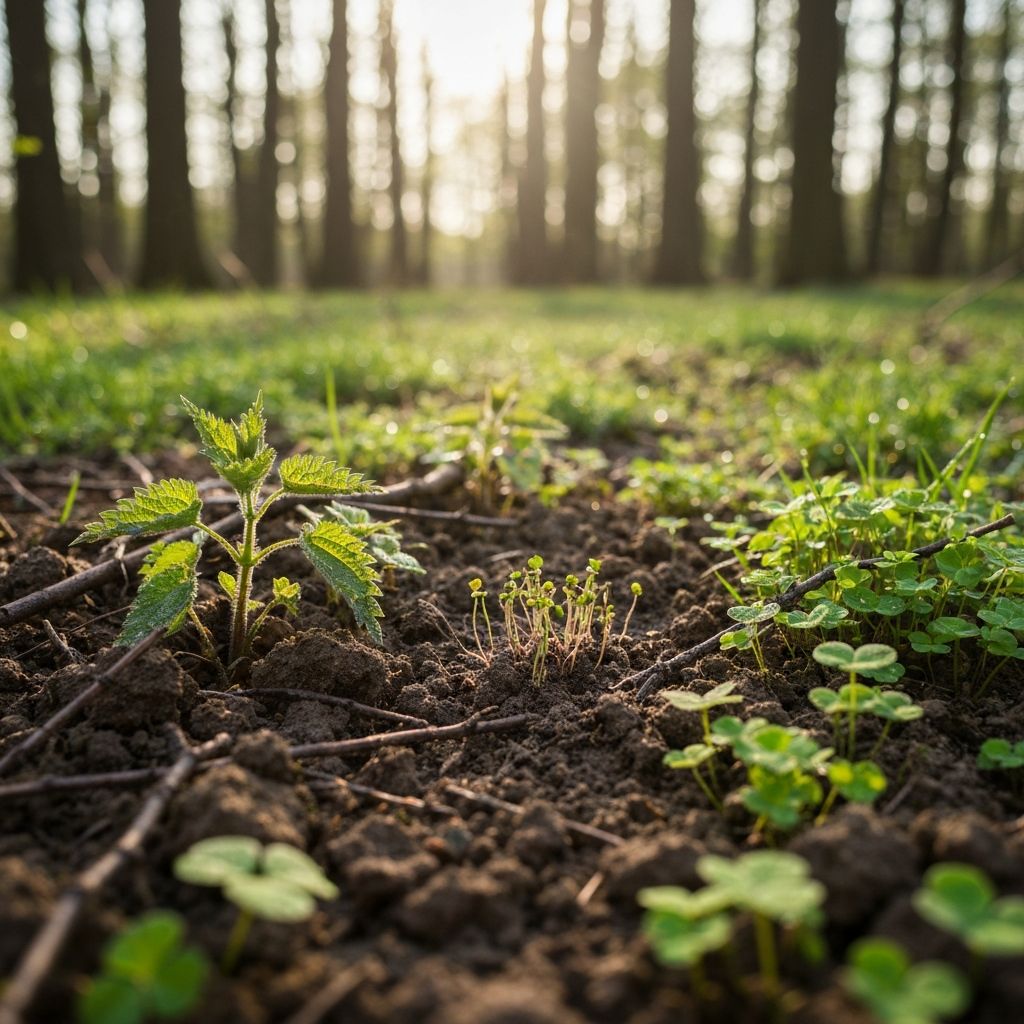
Spring (March-May)
Nettle shoots, wild garlic, young dandelion leaves, clover sprouts emerge. Early season represents peak freshness of winter-stored root vegetables and beginning of new growth cycles.

Summer (June-August)
Peak abundance of leafy herbs—yarrow, chamomile, St. John's Wort. Berry harvest begins with currants and gooseberries. Maximum fresh herb availability across German botanical landscapes.
Autumn (September-November)
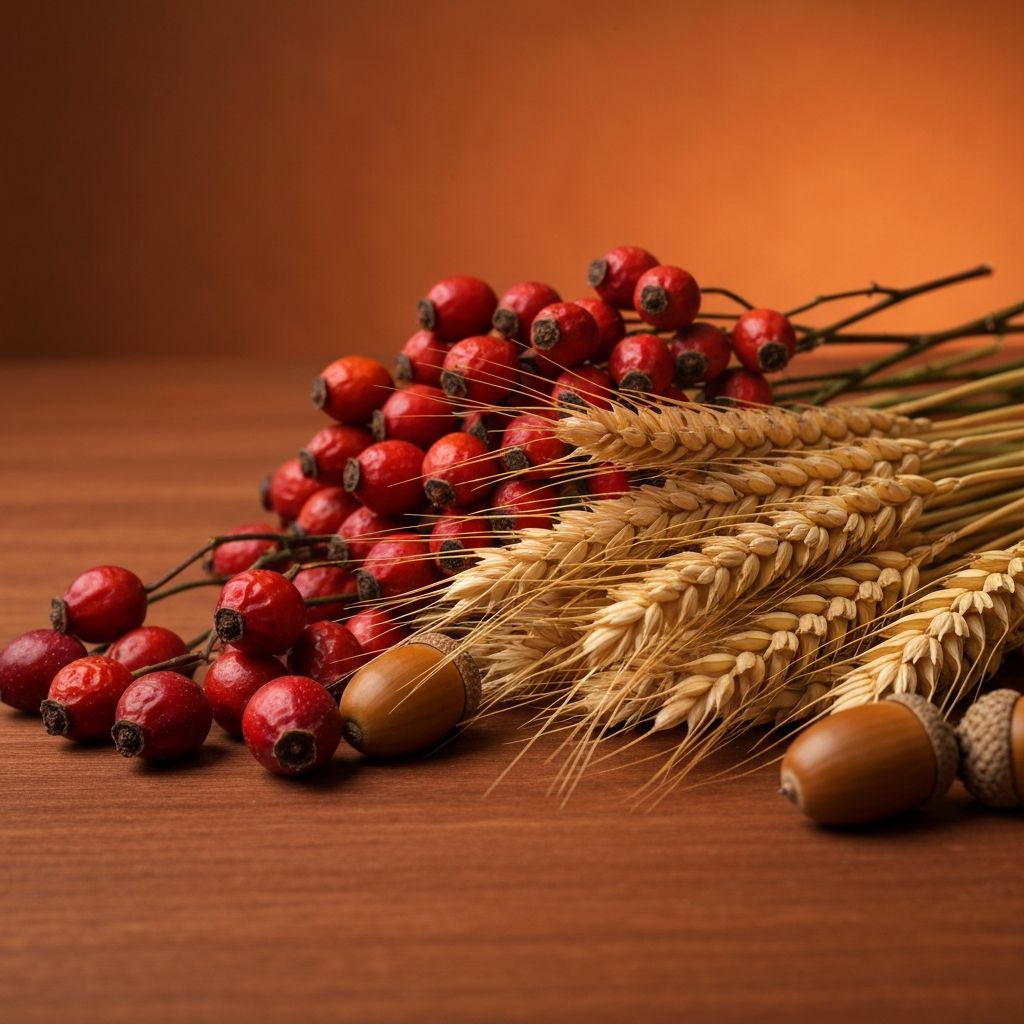
Rose hips, hawthorn berries, mountain ash fruits at peak ripeness. Root vegetables harvested. Prime period for drying and preserving botanicals for year-round dietary use.
Bioavailability Considerations
Nutrient bioavailability—the degree to which the body can absorb and utilize compounds from food—depends on multiple factors. These include:
- Food preparation methods: Cooking, fermentation, and drying affect nutrient availability differently across plant types
- Compound interactions: Certain plant components enhance or inhibit absorption of others—a principle known as food synergy
- Individual digestive factors: Gut health, enzyme production, and metabolic conditions vary between individuals
- Timing and combination: Consuming diverse foods together creates different nutritional outcomes than isolated consumption
- Plant part selection: Seeds, roots, leaves, and berries offer different bioavailability profiles of the same botanical
Scientific research continues to explore these complex interactions, emphasizing that whole-food botanical sources provide more nuanced nutritional profiles than isolated extracts.
Native German Plant Traditions
Bavaria and other German regions maintain documented historical relationships with native botanical sources. Traditional Bavarian herbalism, recorded in historical texts and cultural practices, demonstrates long-standing knowledge of local plant uses.
From Saxon herbal gardens to Alpine plant traditions, German-speaking regions have preserved detailed knowledge of regional botanical species. This heritage informs contemporary understanding of which plants thrive locally and maintain nutritional significance.
Understanding these regional traditions provides context for why certain plants remain prominent in Central European dietary patterns and wellness discussions.
Addressing Common Beliefs
Information about plants circulates widely, and misconceptions are common. This section clarifies several widespread beliefs based on scientific evidence:
- Misconception: "One plant solves one problem." Reality: Plants contain complex arrays of compounds with multiple effects. Results are individual and context-dependent.
- Misconception: "Natural means safe for everyone." Reality: Botanical compounds affect individuals differently based on health status, medications, and genetics.
- Misconception: "More plant matter equals better results." Reality: Balanced, moderate consumption as part of a varied diet supports better nutritional outcomes than excessive single-source intake.
- Misconception: "Plants work like pharmaceuticals." Reality: Food-based botanical compounds work through different mechanisms and timelines than medications.
- Misconception: "Historical use proves modern effectiveness." Reality: Traditional knowledge is valuable context but requires contemporary scientific validation through rigorous research.
Types of Botanical Research
Scientific investigation of plants uses multiple research approaches, each providing different types of evidence:
- In vitro research: Laboratory studies examining plant compounds in isolated cell cultures—foundational but not directly applicable to whole-body effects
- Animal studies: Controlled experiments using animal models to understand mechanisms—informative but human outcomes may differ
- Observational studies: Tracking dietary patterns and health outcomes in populations—reveals associations but cannot prove causation
- Clinical trials: Controlled human studies with specific outcome measures—most directly relevant to human health but expensive and limited in scope
- Systematic reviews: Comprehensive analysis of multiple studies to identify overall evidence patterns—provides broader perspective than single studies
Quality nutritional research requires understanding which type of evidence addresses which questions, and recognizing limitations within each approach.
Benefits of Plant Diversity
Nutritional science emphasizes dietary variety as a fundamental principle. Consuming diverse botanical sources ensures exposure to different nutrient profiles, compounds, and micronutrient combinations.
Each plant species contains unique combinations of vitamins, minerals, polyphenols, and other compounds. A varied plant-based diet naturally provides broader nutritional coverage than limited botanical sources.
This diversity principle extends across seasons—consuming seasonal plants as they become available further diversifies the nutritional spectrum throughout the year.
Nutritional Context with Age
Biological changes naturally occur across the human lifespan. For adults at 40 years and beyond, nutritional needs evolve based on documented physiological changes:
- Digestive efficiency may shift, affecting nutrient absorption patterns
- Bone density considerations change, affecting mineral needs (calcium, magnesium, vitamin D)
- Metabolic rate typically decreases, adjusting caloric and macronutrient requirements
- Cardiovascular health becomes an increasingly important focus for sustained wellness
- Antioxidant intake becomes more relevant due to increased oxidative stress exposure over time
World Health Organization guidelines acknowledge these changes, recommending continued emphasis on whole foods, balanced macronutrients, and micronutrient diversity regardless of age.
Supporting Your Research
Navigating botanical and nutritional information requires access to credible sources. Scientific papers, institutional research, and evidence-based resources support informed understanding of plant-based nutrition.
Educational content only. No promises of outcomes.
This platform provides foundational knowledge to support your own research and conversations with healthcare providers. Individual circumstances vary significantly—what works nutritionally differs across individuals based on health status, medications, genetics, and lifestyle.

Continue Exploring
NativeActiveCare exists to provide foundational education about plant-based nutrition. Use our resources to build your understanding: